
"No complaints, easy to use, the employees were all very responsive."
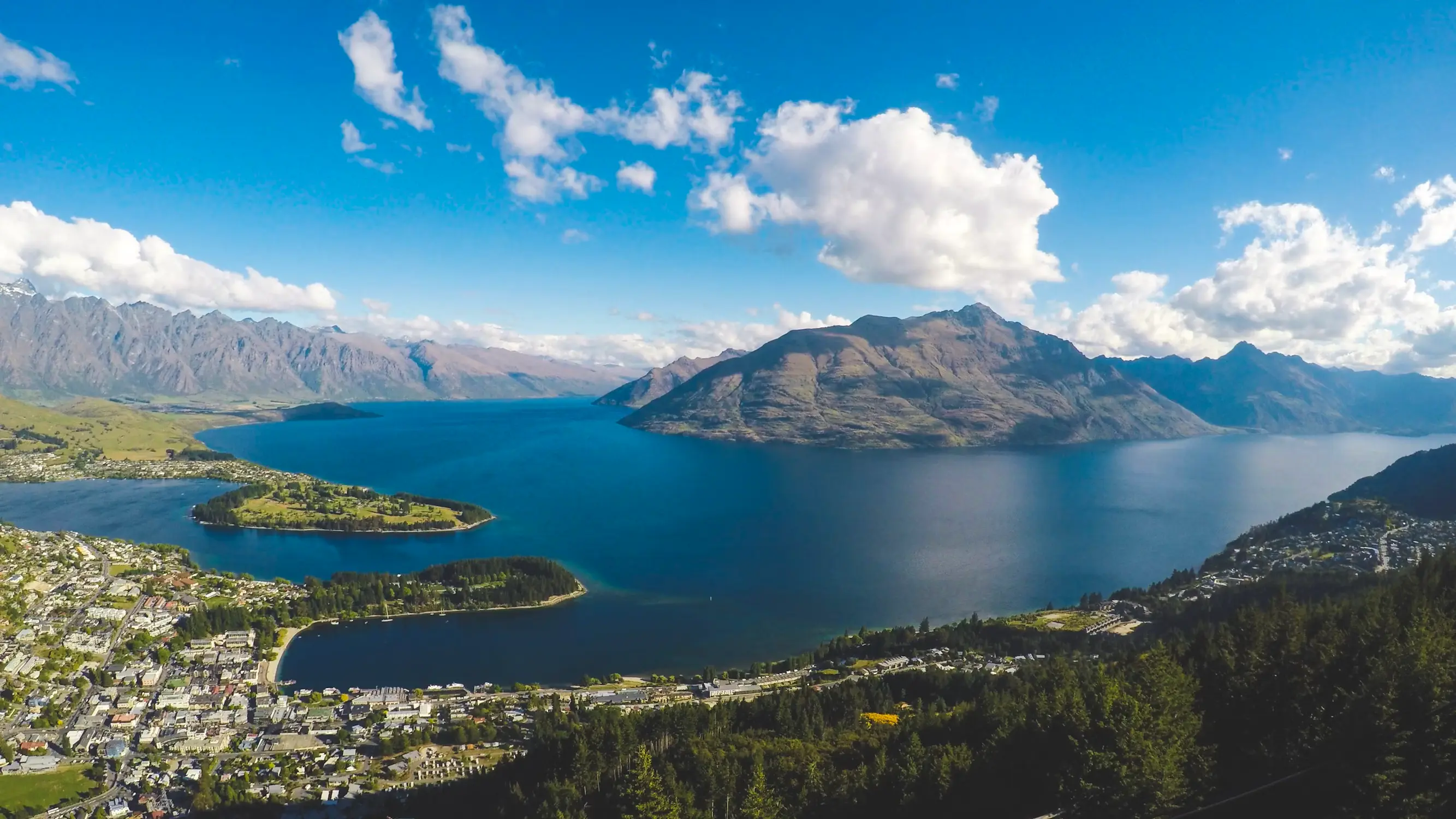
Travel Insurance for New Zealand
,Fully Covered with LUMA
From long scenic drives to national park trails, LUMA travel insurance helps protect your New Zealand adventure.
- 4.8
- 4.0 Rating
Trusted by 100,000+ travelers
A decade of travel cover
Backed by medical guidance
Instant online purchase
On-the-ground teams and global partners ensure care is always nearby.
24/7 English-speaking assistance with coverage curated for Finland
Practical support backed by decade-long experience and deep-rooted hospital networks.
Direct access to our in-house medical team (Medipro) for real medical advice.
New Zealand calling? We go above and beyond to make sure your trip stays golden.
01 Fell sick in between your trip?
Hospital stays in New Zealand run to tens of thousands of dollars for visitors without cover, and a sudden illness mid-itinerary means paying in full before you leave. Medipro can help you decide whether your symptoms need a doctor, and LUMA picks up the medical costs so you can focus on getting better rather than the bill.
02 Road accident on a New Zealand rural road?
Driving is the most significant safety risk for tourists in the country. Narrow, winding, and often unsealed rural roads on the South Island's scenic routes catch visitors used to multi-lane highways completely off guard. A collision can mean an ambulance, emergency treatment, and specialist care. LUMA covers the medical costs from a road accident, and if local care isn't enough, helps arrange transfer to a better-equipped hospital.
03 Injured on a remote trail?
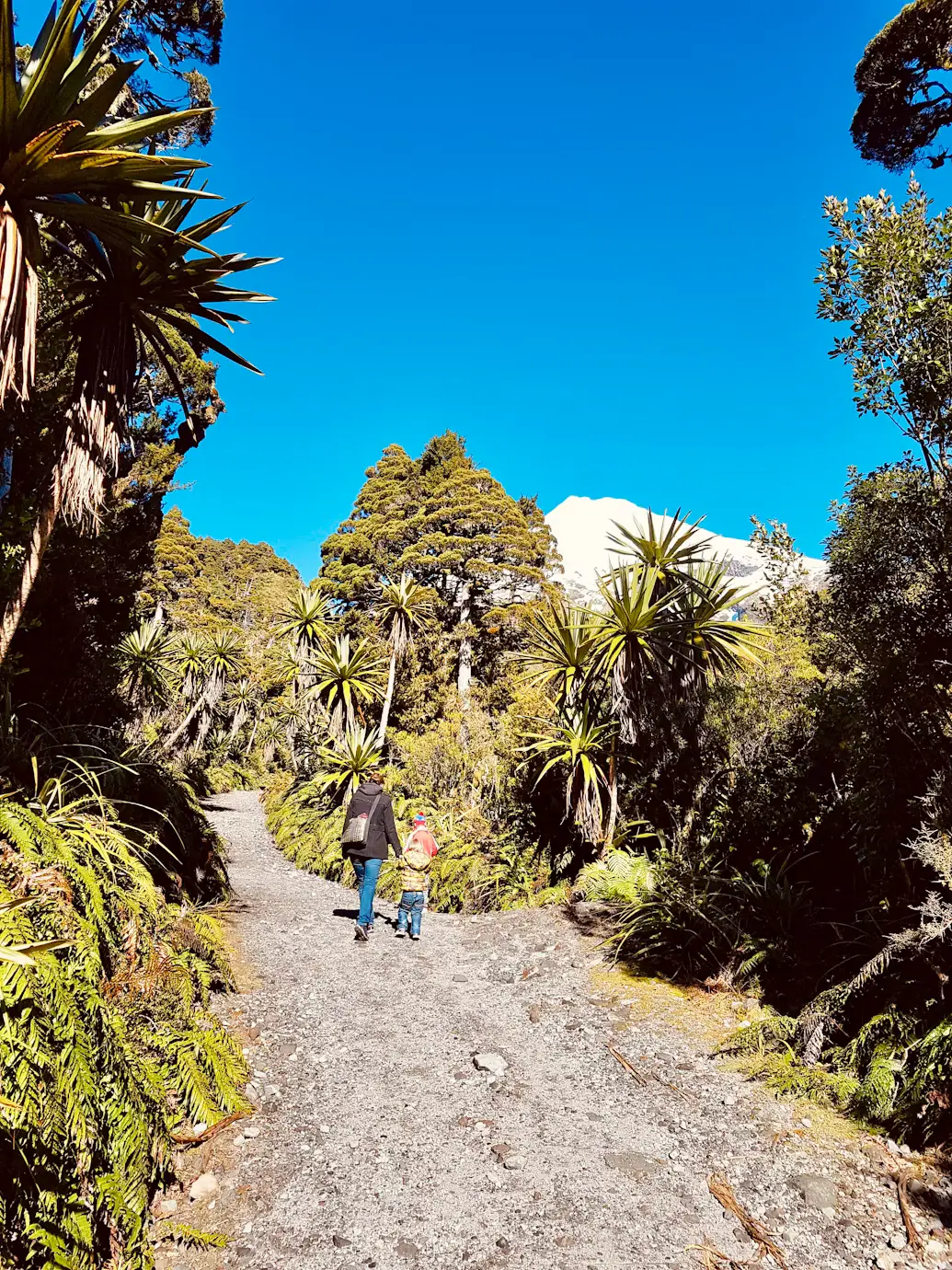
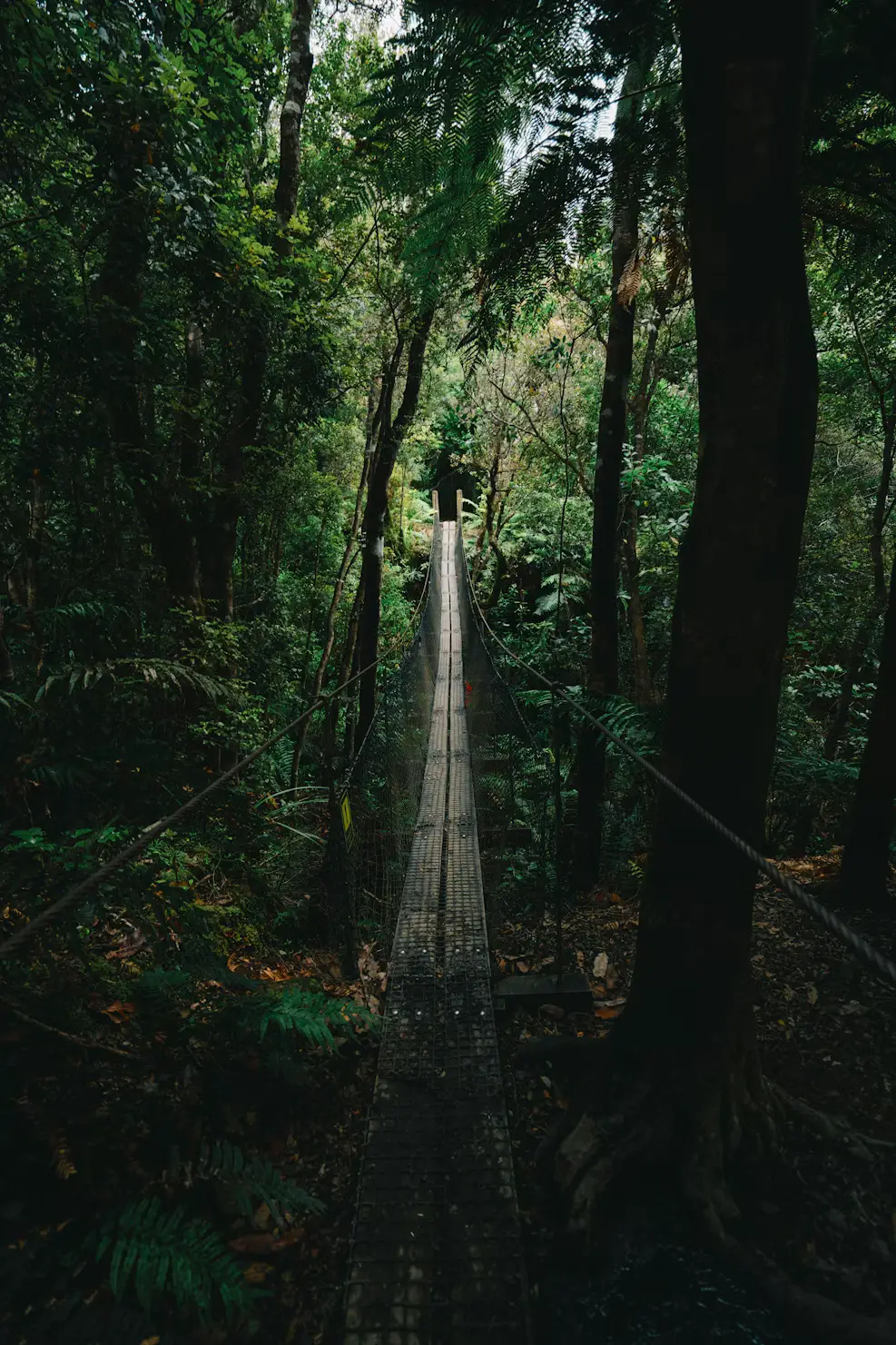
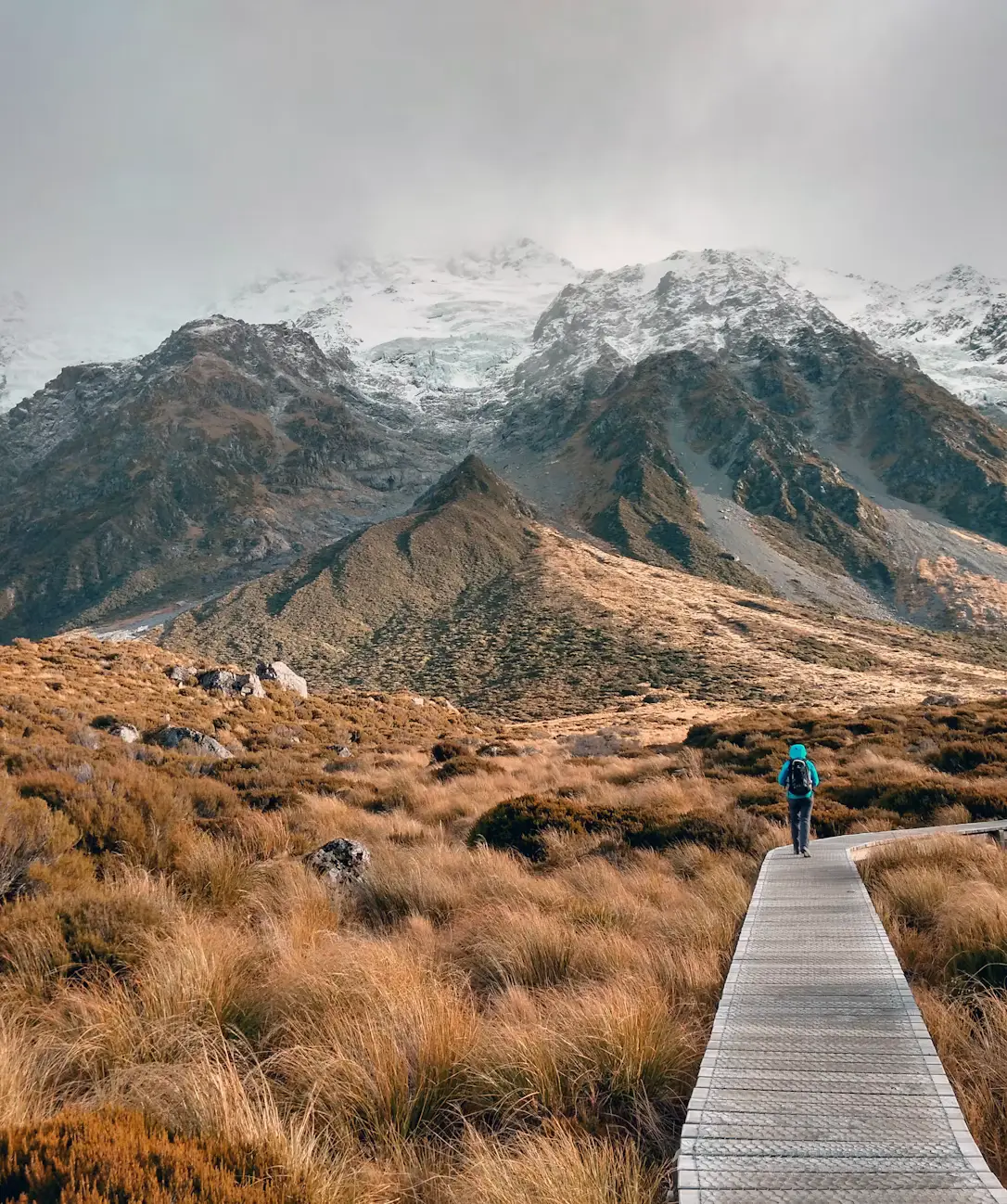
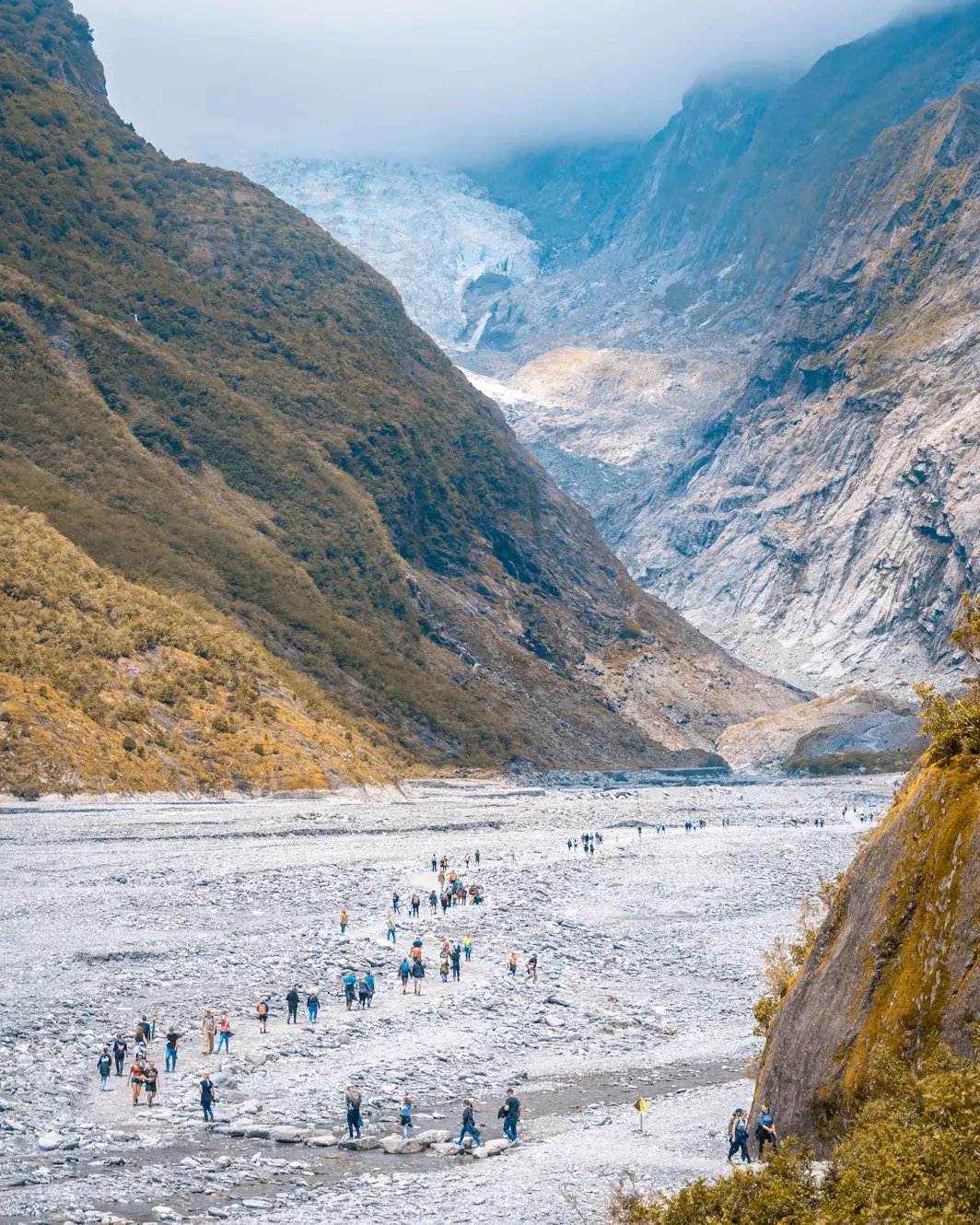
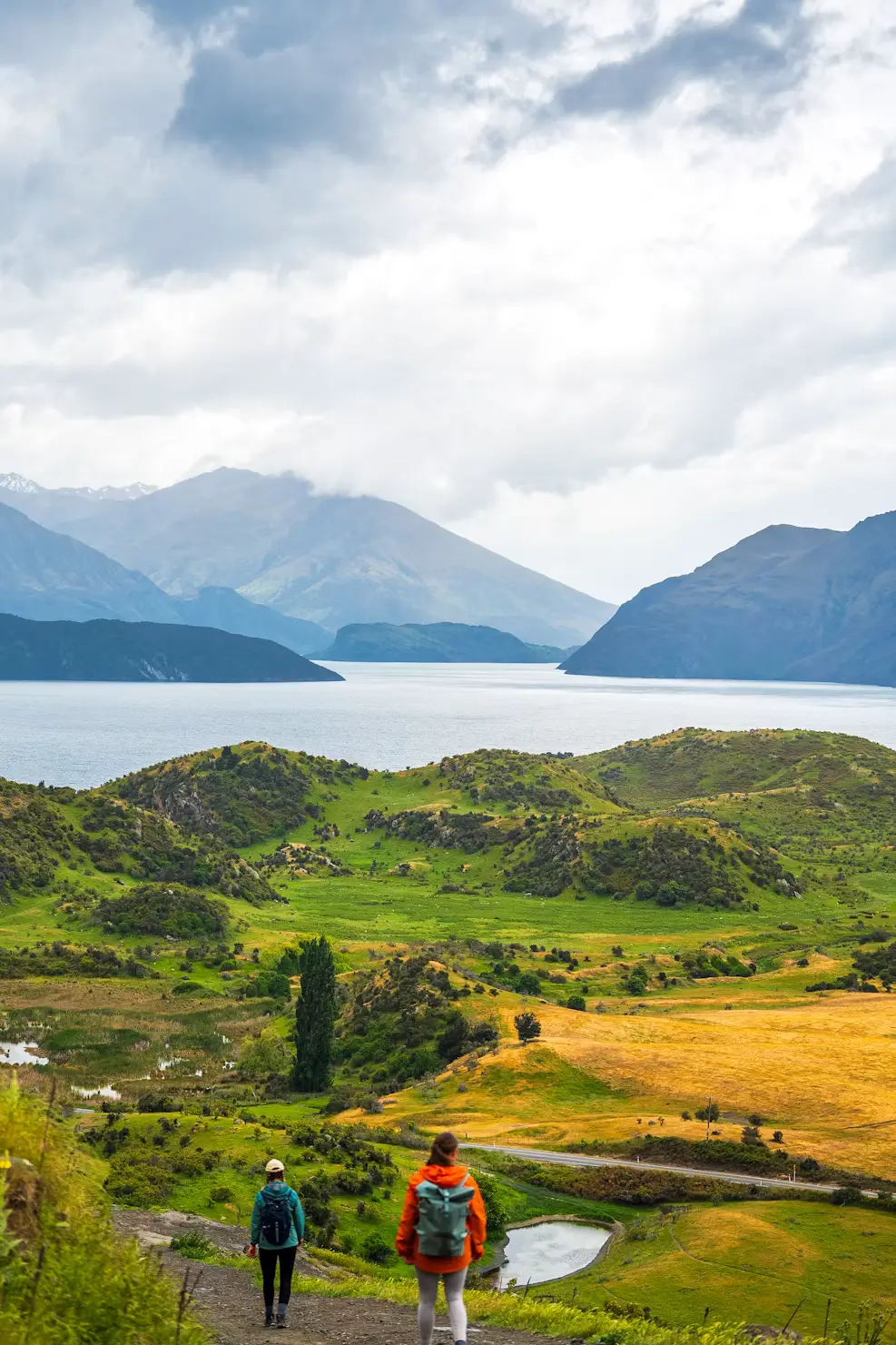
New Zealand's backcountry trails are extraordinary and genuinely remote. A serious injury out here means getting to proper care takes time, and the medical costs that follow can be significant without cover. LUMA covers the medical costs and arranges transfer to the right facility so where you are doesn't decide the care you get.
04 Luggage didn't arrive in Auckland or Christchurch?
Getting to New Zealand usually means a long-haul flight with at least one connection, and a bag that doesn't make it is a real problem when you're heading straight into a packed itinerary far from major cities. LUMA steps in to help with loss, theft, or damage so the trip doesn't start on the wrong foot.
05 New Zealand trip cancelled last minute?
A New Zealand trip is one of the bigger travel commitments you'll make: long-haul flights, lodges, all paid well in advance. If something serious stops you from going, whether that's an illness, an injury, or a family emergency, LUMA plans with trip cancellation cover can reimburse those prepaid costs so you're not left out of pocket on top of everything else.




Your New Zealand Travel Insurance Questions, Answered
It can be, but it's the most significant safety risk for tourists according to the New Zealand Transport Agency. Visitors used to multi-lane highways struggle with New Zealand's narrow, winding, and often unsealed rural roads, and GPS consistently underestimates drive times on scenic routes. Drive on the left, allow at least 30% more time than your map suggests, pull over to rest after long-haul arrivals, and avoid driving after dark in remote areas. If you're hurt in an accident, ACC may cover part of the injury cost, but LUMA steps in for medical expenses and arranges transfer if local care isn't enough.
ACC, or the Accident Compensation Corporation, is a New Zealand government scheme that covers medical costs for accident-related injuries for everyone in the country, including visitors. If you're hurt in an accident, ACC picks up a meaningful part of the treatment cost. That's genuinely useful, but it was never designed to replace travel insurance, and the gaps are significant.
Not quite. ACC covers accidents, but illness is outside its scope entirely, and a hospital stay from a sudden infection can run to tens of thousands of dollars. Getting home when you're not fit to fly, trip cancellation, and lost luggage are also outside what ACC handles. LUMA covers medical expenses for sudden illness and emergency evacuation when local care isn't enough, filling the gaps ACC leaves behind.
Yes, and this is exactly where ACC stops. If you develop a serious infection, appendicitis, or any sudden illness during your trip, you pay for treatment as a non-resident, and costs climb fast. A standard GP visit runs around $45-$85 USD for non-residents, and hospital treatment is significantly more. LUMA covers medical expenses for sudden illness under your plan, and Medipro can help you work out whether your symptoms need a doctor and where to go.
Yes. Some sections of New Zealand's backcountry are only reachable by helicopter in an emergency, and evacuation from a remote location can cost $50,000 or more. ACC covers accident injuries but not the evacuation itself. LUMA arranges medical evacuation when local care isn't enough and covers the costs, so where you are when something goes wrong doesn't limit what care you can get.
It depends on your nationality. As of 2026, citizens of many countries, including the US, UK, Canada, and EU nations, can enter New Zealand visa-free for short tourist stays, but must hold a valid New Zealand Electronic Travel Authority (NZeTA) obtained before departure. Indian passport holders need to apply for a visitor visa in advance. Your passport should be valid for at least three months beyond your planned departure date. Check the current requirements for your nationality on Immigration New Zealand's official website before booking.
Yes, and faster than most visitors expect. Conditions in backcountry and mountain areas can shift from sunshine to freezing rain within hours regardless of season, and trail closures and helicopter cancellations happen regularly during winter months. Build flexibility into any outdoor itinerary, check forecasts at MetService, New Zealand's official weather service, and never head into remote terrain without checking conditions first. If severe weather forces you to cut your trip short and head home, LUMA plans with trip interruption cover step in to help with prepaid costs.
Very little, and certainly nothing like Australia next door. New Zealand has no snakes, no venomous spiders of serious concern, and no large predatory animals. The main things worth knowing about are sandflies in Fiordland and the West Coast, which deliver an irritating but harmless bite, and the katipo spider, which is rare and reclusive. Wasps can be aggressive in forested areas during summer, particularly around beech forests. None of these pose a serious threat to a healthy visitor taking normal precautions. If you do have an unexpected reaction to a bite or sting that needs medical attention, LUMA covers the costs under your plan.