
"Super easy and reliable travel insurance! I used LUMA for my trip around Vietnam, Thailand, Japan and Southeast Asia — everything was done online in just a few clicks. Got my policy instantly, no long forms or waiting. What I really liked is that it covers not just regular travel stuff, but also motorcycle accidents — which is a big plus if you're riding motorcycles around in SEA."
Travel Insurance for South Korea
,Fully Covered with LUMA
Stay covered while navigating South Korea’s KTX routes, mountain trails, and city-hopping plans with LUMA travel insurance.
- 4.8
- 4.0 Rating
Trusted by 100,000+ travelers
10,000+ policies served
Backed by medical guidance
Instant online purchase
On-the-ground teams and global partners ensure care is always nearby.
English-speaking assistance with coverage curated for South Korea.
Practical support backed by decade-long experience and deep-rooted hospital networks.
Direct access to our in-house medical team (Medipro) for real medical advice.
South Korea calling? We go above and beyond to make sure your trip stays golden.
01 Fall on icy Seoul streets in winter?
Cold months can make subway exits, pavements, palace grounds, and shopping streets slippery, especially after snow or freezing rain. A sudden fall can lead to X-rays, pain medication, or treatment for a fracture or sprain. LUMA helps cover eligible medical costs, so a winter slip does not become a bigger expense during your trip.
02 Run-down after a few packed days in Seoul?
Long days through Myeongdong, Hongdae, and the palace routes catch up with people, and dehydration, a fever, or a bad stomach can land you at a clinic if it doesn't settle. Your LUMA policy covers the eligible treatment costs if you need to see a doctor, and direct billing can be arranged where available so you're not paying it all upfront.
03 Jeju flight cancelled before your next city stop?
Island and multi-city itineraries here run on tight flight schedules, and a long delay can knock out a hotel check-in or a tour booked later that day. A plan with flight delay benefits may help with eligible waiting-time costs, like a meal or a transfer, when a covered delay runs past the policy's time threshold.
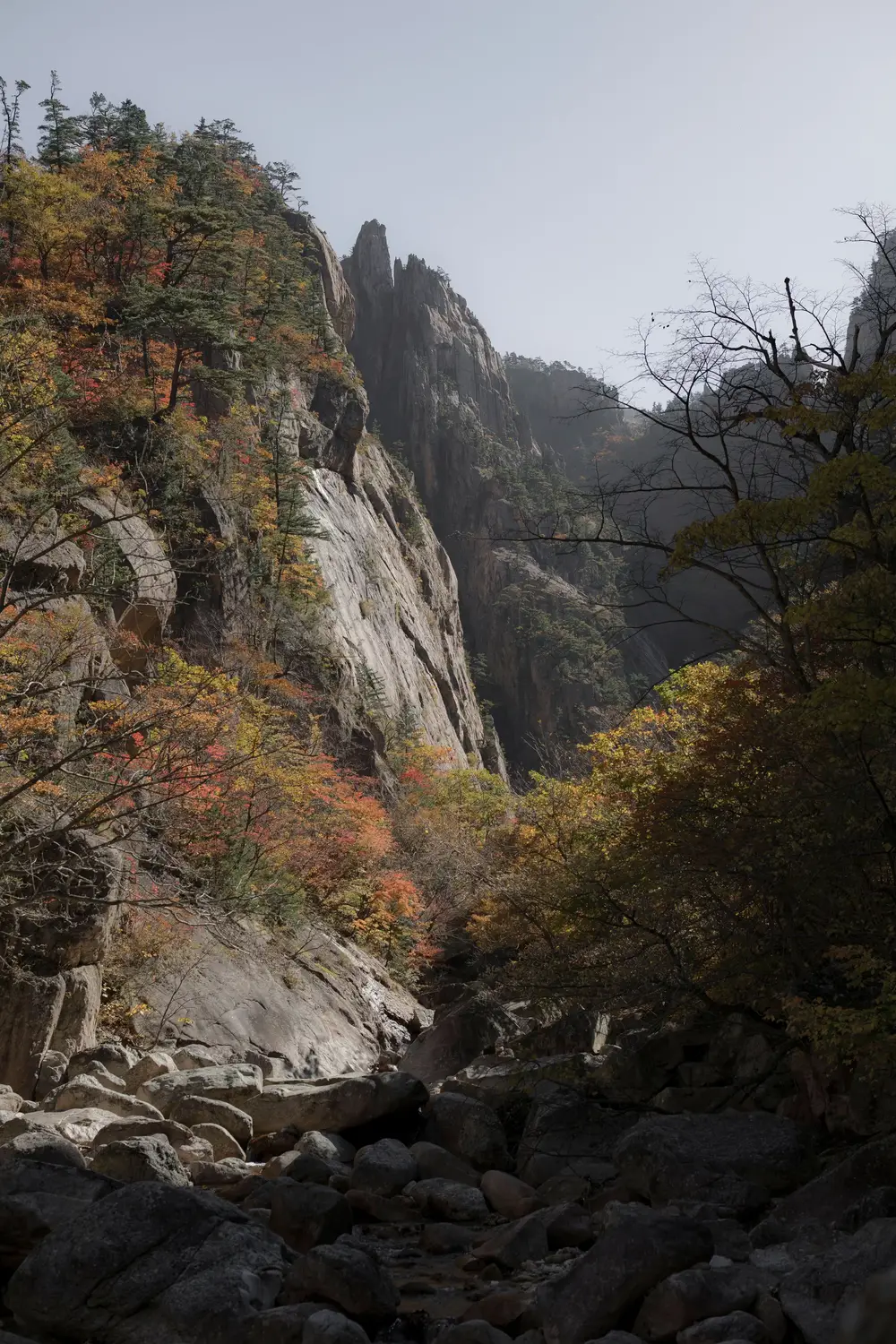
04 Bad stumble on a Bukhansan or Seoraksan trail?
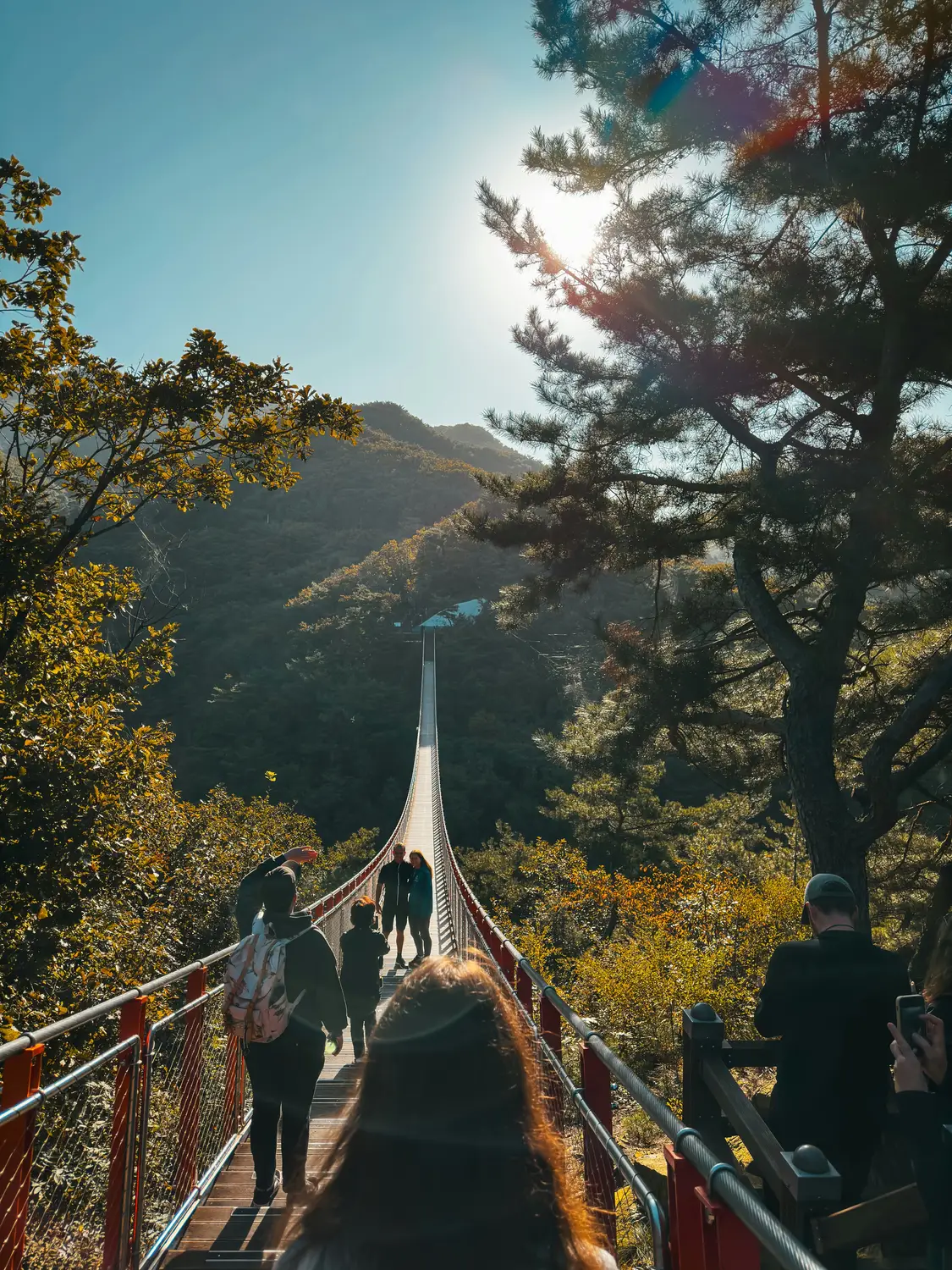
The mountain trails look manageable from Seoul or Sokcho, but they're often steep steps, rocky scrambles, and long climbs once you're on them. A bad sprain or a fall can mean scans, strapping, or a clinic visit mid-trip. Medipro can advise you on whether it's worth getting checked, and your LUMA policy covers the eligible treatment costs if you do.
05 Korea trip cancelled before you depart?
Korea trips are often booked well in advance, with flights, hotels, KTX tickets, and tours paid for before you leave. If a serious illness, injury, family emergency, or another covered reason stops you from travelling, those prepaid costs can be hard to recover on your own. LUMA plans with trip cancellation cover can reimburse eligible prepaid expenses, subject to your policy terms.
Hear real stories from real travellers
"I bought LUMA Travel Insurance for my Asia Trip and it was so easy, everything was done online in just a few minutes, and I received my certificate right away. The process was clear, simple and hassle-free which gave me peace of mind before even starting my journey. I really appreciated how smooth it was."
"I bought it for my trip to Penang. Convenient and peace of mind to have."
"Luma proved to be an excellent partner for insurance in the SEA field. They took perfect care of me and provided all the necessary information."
"Perfect for traveling in Asia. One issue in Phnom Penh, Luma and his staff was particularly efficient and took care of me. Thank you very much Luma."
Your South Korea Travel Insurance Questions, Answered
Yes. South Korea is generally a smooth and safe destination for travelers, especially in major stops like Seoul, Busan, Jeju, Gyeongju, and Incheon. Public transport is dependable, tourist areas are easy to navigate, and most visits are trouble-free. Travel insurance matters more because everyday travel issues can still become expensive abroad. A winter slip, a trail injury, sudden fever, or stomach illness during a packed food itinerary can all lead to clinic visits, scans, medication, or hospital bills. South Korea travel insurance helps cover those eligible medical costs while you are away from home.
Yes. South Korea sees yellow dust and fine dust, especially in spring, and air quality can dip enough to make outdoor sightseeing uncomfortable. It matters most if you have asthma, allergies, or any respiratory sensitivity. If you develop breathing trouble, chest tightness, persistent coughing, or symptoms that won't settle, it's worth getting checked. Pre-existing conditions, like asthma or allergies, are not covered under travel insurance, and are a standard exclusion. The policy covers sudden, unexpected illness, so if something new and acute comes on and gets serious, LUMA covers the eligible medical costs.
Yes, for eligible medical incidents under your plan. Bukhansan and Seoraksan draw a lot of visitors, but steep steps, rocky paths, and sudden weather shifts lead to plenty of sprains and falls. If an injury means scans, strapping, medication, or a clinic visit, your LUMA policy covers the eligible medical costs. Medipro, our in-house medical team, can guide you on whether symptoms need a doctor and what your options are.
Often, yes. South Korea has excellent hospitals, but foreign visitors may be asked to pay for consultations, tests, scans, or treatment before claiming reimbursement later. That is where travel insurance matters. A winter fall, stomach illness, or injury during sightseeing can create a bill you were not planning for.
LUMA covers eligible hospital and treatment costs under your policy. For larger bills, direct billing can be arranged where available, which can significantly reduce how much you need to pay out of pocket at the time of treatment.
According to South Korea's official K-ETA guidance, visa-free travellers normally need a K-ETA (Korea Electronic Travel Authorization) before boarding, but a temporary exemption waives that for a list of countries, including the US, Canada, UK, Australia, New Zealand, and several EU nations, through December 31, 2026. Indian passport holders generally need to arrange a visa in advance. An approved K-ETA or exemption doesn't guarantee entry, the immigration officer makes the final call. Rules and the exemption list change, so check the official K-ETA portal or the Korean embassy for your nationality before booking.
Yes, they can. Chuseok (Korean Thanksgiving, around September or October) and Seollal (Lunar New Year, late January or February) are the country's biggest holidays, and millions travel home at once. Trains, domestic flights, and hotels book out well ahead, many smaller shops and restaurants close for a few days, and stations get crowded. If your trip overlaps either one, book transport and accommodation early and build a little slack into your schedule. Travel insurance won't cover the crowds, but it's worth having for the medical issues and flight delays that can crop up when everything's moving at pace.